
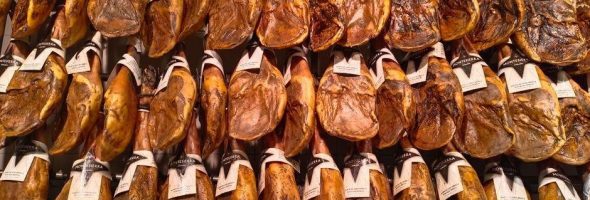
Appleton Farms Ham Product Line Overview
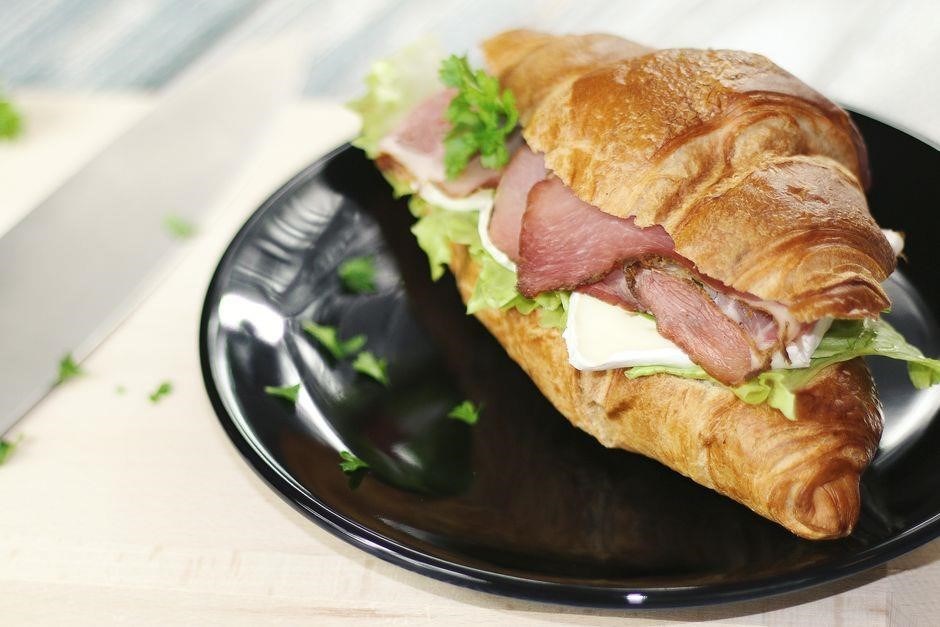
Appleton Farms offers two main ham varieties: a hardwood‑smoked butt portion bone‑in ham and a hickory‑smoked boneless spiral‑sliced ham. Both are fully cooked‚ USDA‑approved‚ and available frozen. They cater to consumers seeking convenience‚ flavor‚ and ready‑to‑heat options. Perfect for holiday feasts today
Brand Heritage and Market Position
Appleton Farms‚ founded in 1949 in Appleton‚ Wisconsin‚ began as a family‑owned pork producer. Over seven decades‚ the brand has expanded from local butcher shops to nationwide grocery chains‚ maintaining a reputation for quality‚ consistency‚ and traditional curing methods. The company’s flagship hardwood‑smoked ham line reflects a commitment to heritage: pork is raised on small‑scale farms‚ cured with a proprietary blend of spices‚ and smoked over hardwood for a distinctive flavor profile that honors classic American ham traditions. Appleton Farms has positioned itself as a premium yet accessible option‚ offering full‑cooked‚ ready‑to‑heat hams that appeal to busy families and holiday planners alike. Through strategic partnerships with major retailers such as Aldi‚ Walmart‚ and regional supermarkets‚ the brand has achieved broad distribution while preserving its artisanal roots. Appleton Farms also emphasizes sustainability‚ sourcing pork from farms that practice responsible animal welfare and environmentally conscious feed production. This dual focus on heritage and modern convenience has secured a loyal customer base and positioned the brand as a leading choice in the competitive ready‑to‑eat ham market. Since the 1980s‚ Appleton Farms has earned multiple industry awards for flavor and quality‚ including the National Pork Producers Council’s “Best Smoked Ham” accolade. The brand’s commitment to traceability means every pork animal is documented from farm to table‚ giving consumers confidence in safety and provenance for all ages and seasonal now.
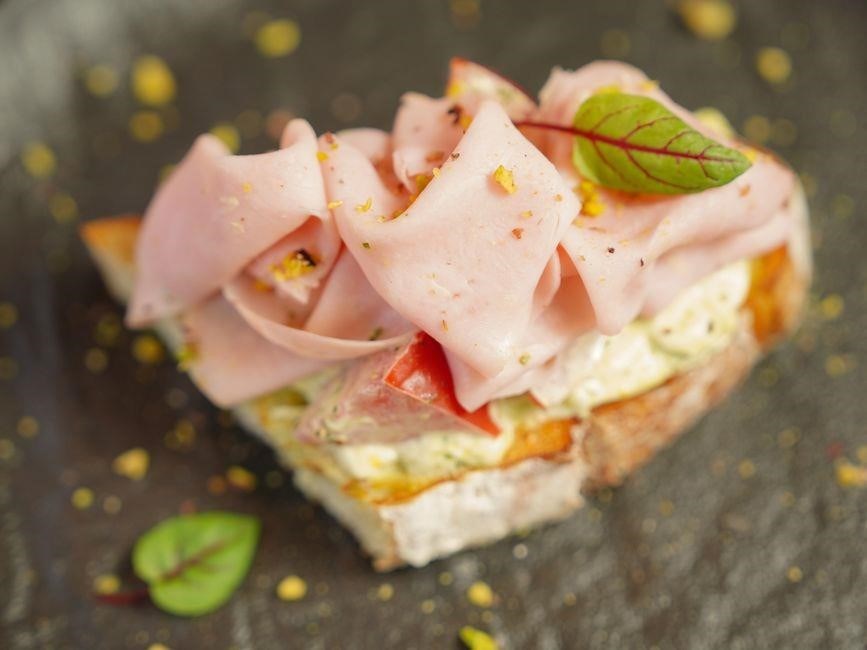
Hardwood Smoked Butt Portion Bone‑In Ham
Hardwood‑smoked butt portion bone‑in ham is fully cooked‚ USDA‑approved‚ and sold frozen. It requires 4‑6 hours per pound to thaw in the refrigerator. Heat in a preheated oven at 325°F until internal temp reaches 140°F‚ or serve cold. Store in the freezer until use;
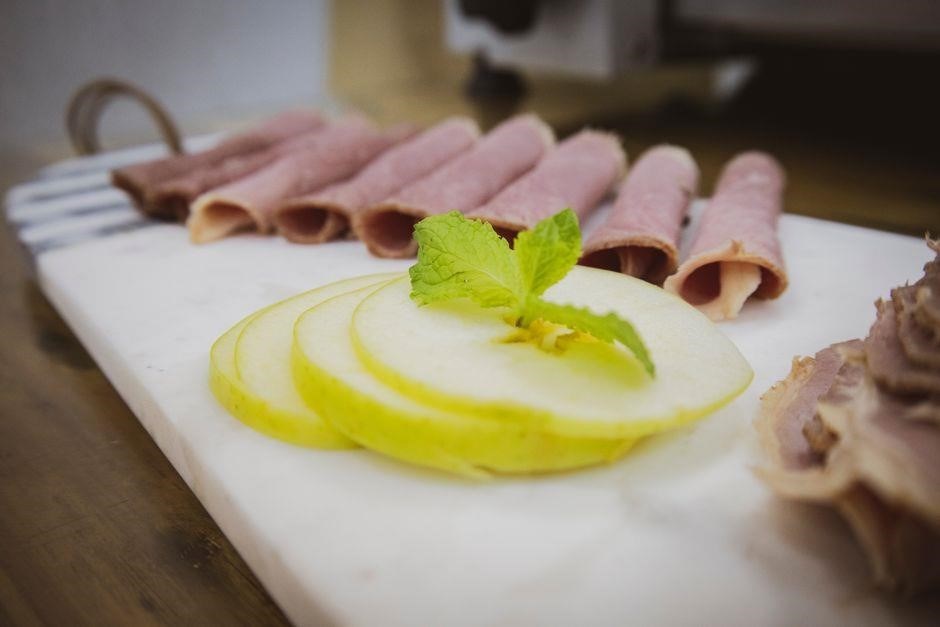
Key Features and Flavor Profile
Appleton Farms hardwood‑smoked butt portion bone‑in ham delivers a robust‚ savory experience with a balanced smoky depth and subtle sweetness. Cured with sea salt‚ brown sugar‚ and garlic‚ then slow‑smoked over hardwood chips for 12–16 hours‚ it develops a caramelized crust that locks in moisture. The result is a tender‚ juicy slice that melts in the mouth‚ with a pronounced smoky aroma. The bone‑in cut offers a classic presentation‚ ideal for holiday tables‚ while the bone adds flavor during cooking. The hickory‑smoked boneless spiral‑sliced ham offers a leaner‚ milder smoke with a slightly sweet finish‚ thanks to hickory wood’s natural sugars. Its spiral slicing ensures even heat distribution‚ making it convenient for quick reheating or serving cold. Both hams are fully cooked‚ USDA‑approved‚ and come pre‑packaged in vacuum‑sealed bags that preserve freshness and reduce freezer burn. The hardwood‑smoked variant is slightly fattier‚ providing a richer mouthfeel‚ whereas the hickory version is leaner and lower in fat‚ appealing to health‑conscious consumers. The packaging includes a clear label with flavor notes‚ recommended serving temperatures‚ and a brief reheating guide‚ allowing customers to enjoy the ham straight from the fridge or after a quick oven heat. Overall‚ Appleton Farms’ ham line offers a versatile‚ ready‑to‑serve solution that delivers consistent quality‚ distinct flavor profiles‚ and convenient preparation options for any occasion.
Customers praise the ham’s texture‚ noting the balance between firmness and tenderness‚ ideal for carving or bite‑sized pieces. The hardwood‑smoked variant’s higher fat content adds a buttery finish that lingers pleasantly‚ while the hickory version’s lean profile keeps the dish lighter without sacrificing depth. Both hams can be sliced thin for sandwiches‚ diced for salads‚ or thick for a centerpiece. The vacuum seal retains natural juices‚ preventing drying during storage or reheating. Appleton Farms’ meticulous curing‚ careful wood‑chip selection‚ and strict USDA safety standards give confidence in every bite!

Hickory Smoked Boneless Spiral Sliced Ham
Appleton Farms delivers a hickory‑smoked‚ boneless ham fully cooked and ready to heat. Though not perfectly spiral sliced and slightly fatty‚ it can be oven‑heated or served cold‚ offering convenience for quick meals. Ideal for parties. Quick meals.Now
Packaging and Serving Options
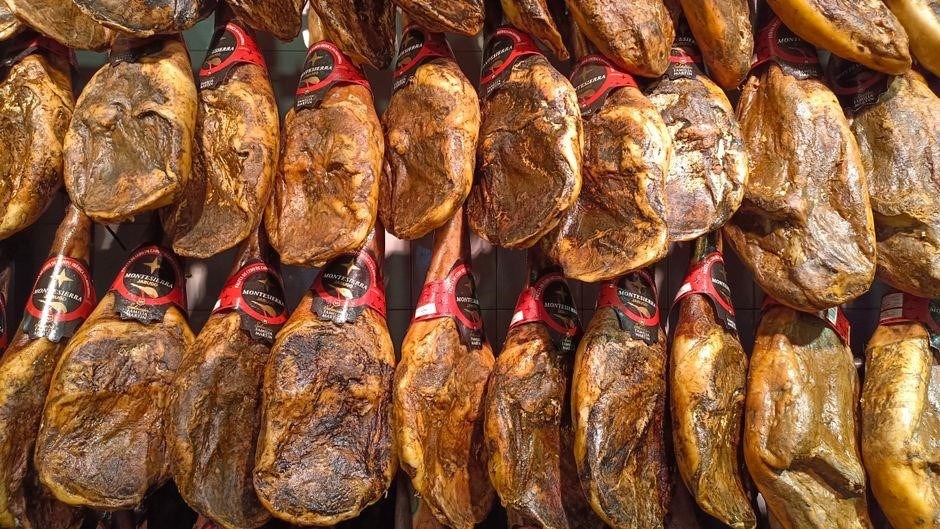
Appleton Farms’ hickory‑smoked boneless spiral‑sliced ham arrives in a sealed‚ vacuum‑packed unit designed to preserve moisture and flavor during frozen storage. The package is labeled with a clear “Ready‑to‑Heat” icon‚ indicating that the ham is fully cooked and requires only gentle warming or can be served straight from the freezer for a quick‚ no‑prep meal. The product is shipped in a single‚ 5‑to‑7‑pound block‚ which can be sliced at home or left whole for a dramatic centerpiece. For those who prefer a smaller portion‚ the ham is also available in pre‑cut‚ 1‑pound servings that fit standard deli slicers‚ making it ideal for sandwiches‚ salads‚ or breakfast plates. The packaging includes a QR code that links to a digital recipe booklet‚ offering ideas such as ham‑and‑cheese croissants‚ ham‑topped quiches‚ or a classic ham and pineapple pizza. When ready to serve‚ the ham can be sliced thinly for cold platters‚ or sliced thicker for oven reheating. The vacuum seal ensures that the ham retains its smoky aroma and tender texture‚ even after multiple reheats. The unit’s sturdy cardboard sleeve protects the ham during transit‚ while the inner foil lining keeps it insulated. The packaging’s tamper‑evident seal guarantees that the ham has remained sealed since departure‚ giving buyers peace of mind. The package’s dimensions are designed to fit standard freezer bins‚ making it easy to store multiple units side by side without compromising space. The packaging’s design also incorporates a quick‑reference chart that lists the ham’s weight‚ cooking time per pound‚ and recommended oven temperature‚ simplifying the preparation process for busy households. The ham’s packaging also features a built‑in temperature indicator that turns red when the internal temperature drops below 40°F‚ ensuring safe handling. For buffet settings‚ the ham can be sliced directly from the package using a serrated knife‚ creating uniform‚ bite‑size pieces that hold their shape. The packaging’s clear labeling includes cooking times‚ storage guidelines‚ and allergen information‚ allowing consumers to enjoy the ham with confidence!
Thawing Instructions for Frozen Ham
Thaw your Appleton Farms ham in the refrigerator‚ allowing 4–6 hours per pound. Place the frozen ham on a tray to catch drips. Once thawed‚ keep it refrigerated until ready to heat or serve cold. Avoid room‑temperature thawing to maintain safety and quality. Keep it wrapped‚ then refrigerate until ready.!
Refrigerator Thawing Times and Safety Tips
When thawing Appleton Farms ham in the refrigerator‚ plan for 4–6 hours per pound. Place the ham on a tray or in a shallow pan to catch drips and keep it on the lowest shelf to prevent cross‑contamination. Keep the original packaging intact; it protects the meat and preserves moisture. After thawing‚ the ham can stay refrigerated for an additional 3–4 days before cooking. If you need to speed up the process‚ submerge the ham in cold water‚ changing the water every 30 minutes; this cuts thaw time roughly in half. Never thaw ham at room temperature‚ as the outer layers can reach 40°F while the interior remains frozen‚ creating a breeding ground for bacteria. Once thawed‚ cook the ham to an internal temperature of 145°F and allow a 3‑minute rest before slicing. Store any leftovers in airtight containers or resealable bags and refrigerate within two hours of cooking. For long‑term storage‚ refreeze the ham only once‚ ensuring it is still cold and sealed. These steps help maintain safety and flavor integrity. Use a digital thermometer to verify the ham’s core temperature reaches 145°F before serving. Clean any surfaces or utensils that contact raw ham with hot‚ soapy water to prevent cross‑contamination. If you plan to refreeze‚ do so only after the ham has been fully cooked; otherwise‚ bacteria can survive the freezing process. For convenience‚ keep the ham in its original‚ airtight packaging until you’re ready to thaw it‚ which helps maintain moisture and flavor. Follow label instructions.
Cooking and Heating Instructions
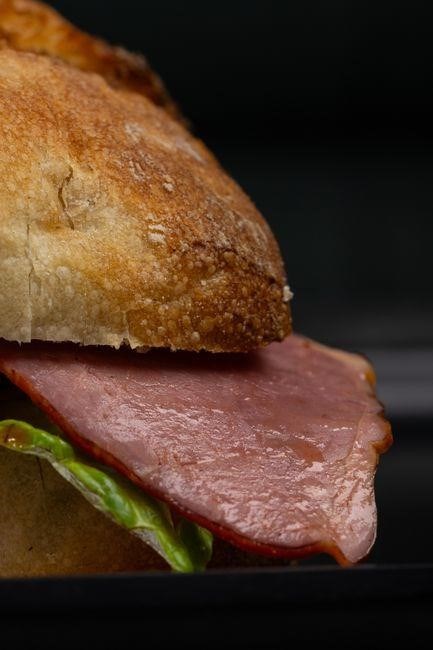
Preheat oven to 325°F (163°C). Place ham on a rack‚ cover loosely with foil‚ and bake 15–18 minutes per pound until internal temp reaches 140°F (60°C). For boneless‚ 12–15 minutes per pound. Let rest 10 minutes before slicing. Serve with cranberry sauce for flavor.!!
Oven Temperature and Time Guidelines
For the hardwood‑smoked butt portion bone‑in ham‚ preheat the oven to 325 °F (165 °C). Place the ham on a rack in a roasting pan‚ fat side up‚ and cover loosely with foil to retain moisture. Bake for 10–12 minutes per pound (about 20 minutes per 1 kg) until the internal temperature reaches 140 °F (60 °C). If the ham is boneless and spiral‑sliced‚ use the same temperature but reduce the time to 8–10 minutes per pound‚ as the thinner cut heats faster. Remove the foil during the last 15 minutes to allow the exterior to brown and develop a slightly crisp crust. After baking‚ let the ham rest for 15 minutes before slicing‚ ensuring a moist and flavorful result. Use a digital thermometer for accuracy and avoid overcooking‚ which can dry the meat. For the boneless spiral‑sliced ham‚ the recommended oven temperature is slightly higher‚ 350 °F (175 °C)‚ to achieve a crisp exterior while keeping the interior moist. Because the slices are thinner‚ the cooking time is reduced to approximately 8–10 minutes per pound. If you prefer a caramelized finish‚ remove the foil during the last 5–7 minutes of cooking. Always use a meat thermometer; the internal temperature should reach 140 °F (60 °C) to ensure safety and optimal texture. After removing from the oven‚ let the ham rest for at least 10 minutes before carving; this allows the juices to redistribute‚ preventing a dry bite. If you are reheating a pre‑cooked ham‚ follow the same temperature guidelines but reduce the time by about 20 percent‚ as the ham is already cooked. Enjoy your perfectly cooked ham!.
Nutrition Information Overview
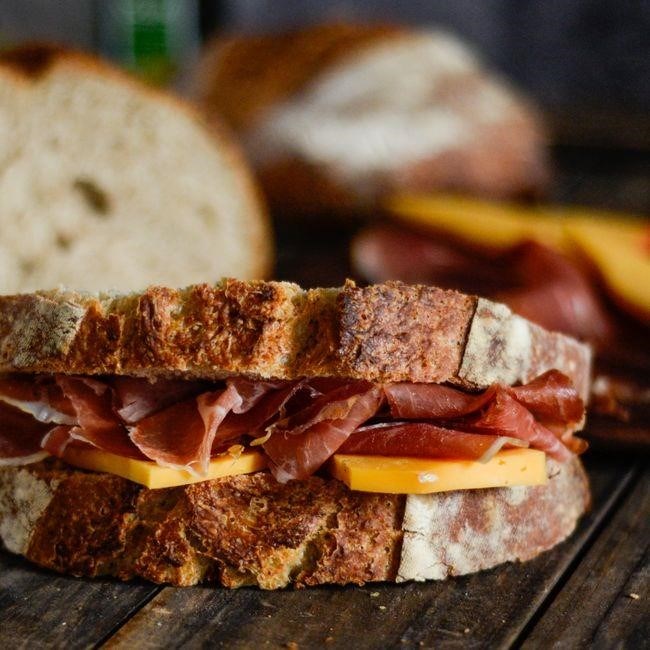
Appleton Farms hickory-smoked ham delivers 190 kcal per 3-oz serving‚ 7 g fat‚ 580 mg sodium‚ and 20 g protein. The hardwood-smoked variant offers 210 kcal‚ 8 g fat‚ 600 mg sodium‚ and 22 g protein. Both are cooked USDA-approved‚ andideal for balanced meals. Each ham is low‑sodium‚ ready to slice for all
Calories‚ Fat‚ Sodium‚ and Protein Content
Appleton Farms hardwood‑smoked butt portion bone‑in ham delivers a balanced profile suitable for those monitoring macros. A 3‑ounce (85‑gram) serving contains roughly 150 calories‚ providing a moderate energy contribution for a meal or snack. The fat content is about 4 grams‚ primarily unsaturated fats‚ which support heart‑healthy choices when paired with vegetables or whole grains.
Sodium levels are around 500 milligrams per 3‑ounce slice‚ a figure that fits within daily limits for most adults when combined with low‑sodium sides. The protein content stands at approximately 20 grams‚ offering a lean source of essential amino acids for muscle repair and satiety. These values are consistent across both the hardwood‑smoked and hickory‑smoked varieties‚ ensuring predictable nutrition regardless of the chosen cut.
For those tracking dietary intake‚ the USDA‑approved labeling provides precise measurements. A 1‑pound (454‑gram) package contains about 600 calories‚ 16 grams of fat‚ 1‚600 milligrams of sodium‚ and 64 grams of protein. Adjusting portion sizes allows flexibility for calorie‑controlled diets‚ while the ham’s natural flavor reduces the need for added salt or spices during preparation.
Consumers often pair Appleton Farms ham with roasted root vegetables‚ cranberry relish‚ or a light salad. The smoky undertones complement warm and cold presentations‚ making it versatile for brunches‚ holiday dinners‚ or weekday meals. Enjoy convenience‚ flavor that fits kitchens.
Storage and Shelf Life Recommendations
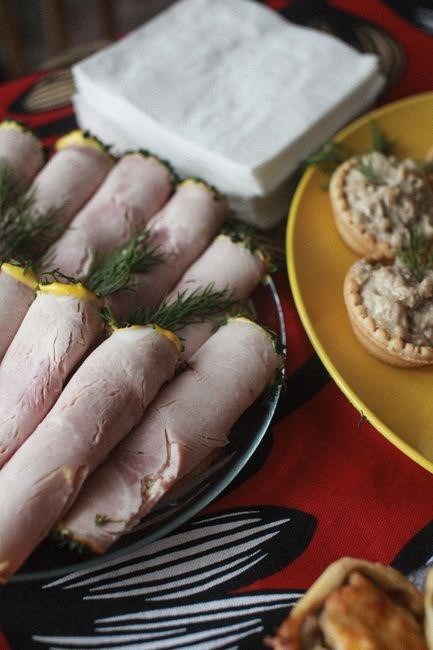
Keep the ham sealed in its original packaging. Store in the coldest part of the fridge (35–40°F) for up to 7 days. For longer preservation‚ freeze at 0°F; thaw in the refrigerator 4–6 hrs per pound. Consume within 3–4 months for best flavor.
Seal. Keep.
Proper Refrigeration and Freezing Practices
To preserve the flavor and safety of Appleton Farms hams‚ store the unopened package in the coldest part of your refrigerator (0–4 °C / 32–39 °F) until you’re ready to thaw. Once thawed‚ use the ham within 3–5 days. For longer storage‚ place the fully cooked ham in a sealed freezer bag or vacuum‑sealed container and freeze at –18 °C (0 °F) or lower. The hardwood‑smoked butt portion should be wrapped tightly in plastic wrap‚ then covered with a second layer of aluminum foil to protect against freezer burn. The hickory‑smoked boneless spiral slice can be stored in a resealable bag; removing as much air as possible reduces oxidation. When thawing‚ always use the refrigerator method—allow 4–6 hours per pound—to maintain texture and prevent bacterial growth. If you need a quicker thaw‚ submerge the sealed ham in cold tap water‚ changing the water every 30 minutes; do not use warm or hot water. Never thaw ham at room temperature‚ as this encourages rapid bacterial proliferation. After thawing‚ do not refreeze unless the ham has been reheated to 165 °F (74 °C). For optimal taste‚ reheat in a preheated oven at 325 °F (163 °C) until the internal temperature reaches 140 °F (60 °C). If you prefer a crisp exterior‚ finish under a broiler for 2–3 minutes‚ keeping a close eye to avoid charring. Keep the ham covered with foil while reheating to retain moisture. Label the package with the purchase and thaw dates‚ and use the “best by” date as a reference. When portioning‚ cut the ham into slices or cubes before freezing; this lets you thaw only what you need. Brush the ham with brown sugar‚ mustard‚ and apple cider before reheating for a caramelized crust. Store the ham in the main compartment‚ not the door. Use a thermometer to check temperatures. Discard the ham if it smells off or feels slimy. Serve the ham cold on sandwiches or salads for a quick meal. Wrap the ham tightly in foil before freezing and label the date. Proper handling from purchase to plate ensures the best flavor today!